What role can science play in the context of raw materials? By filling potential knowledge gaps with information and analysis, the Joint European Research Center carries out its work emphasizing the development of technologies aimed at reducing carbon emissions and CO2 emissions, guiding investment, mapping the state of production and processing of critical raw materials, reducing Europe’s dependence on these materials, as well as assessing the energy market and its future needs, and promoting a just transition.
Indeed, this organization estimates that only between 1% and 5% of the raw materials required for renewable and low-carbon energy technologies are produced within the EU. Cobalt, lithium, copper, among other materials, are indispensable for our clean energy technologies, as they are needed for manufacturing batteries, solar panels, and wind turbines. However, their production and subsequent value chain carry a high risk of supply disruption. For this reason, the EU has developed lists that include critical and strategic raw materials.
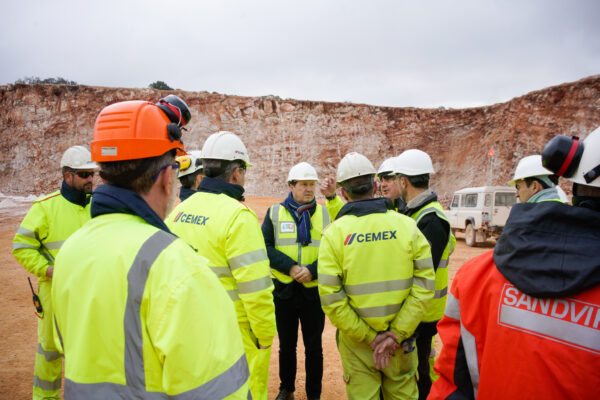
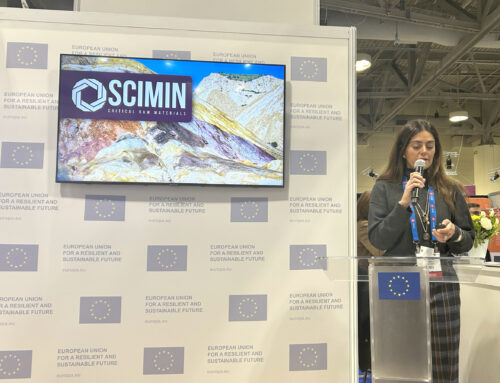
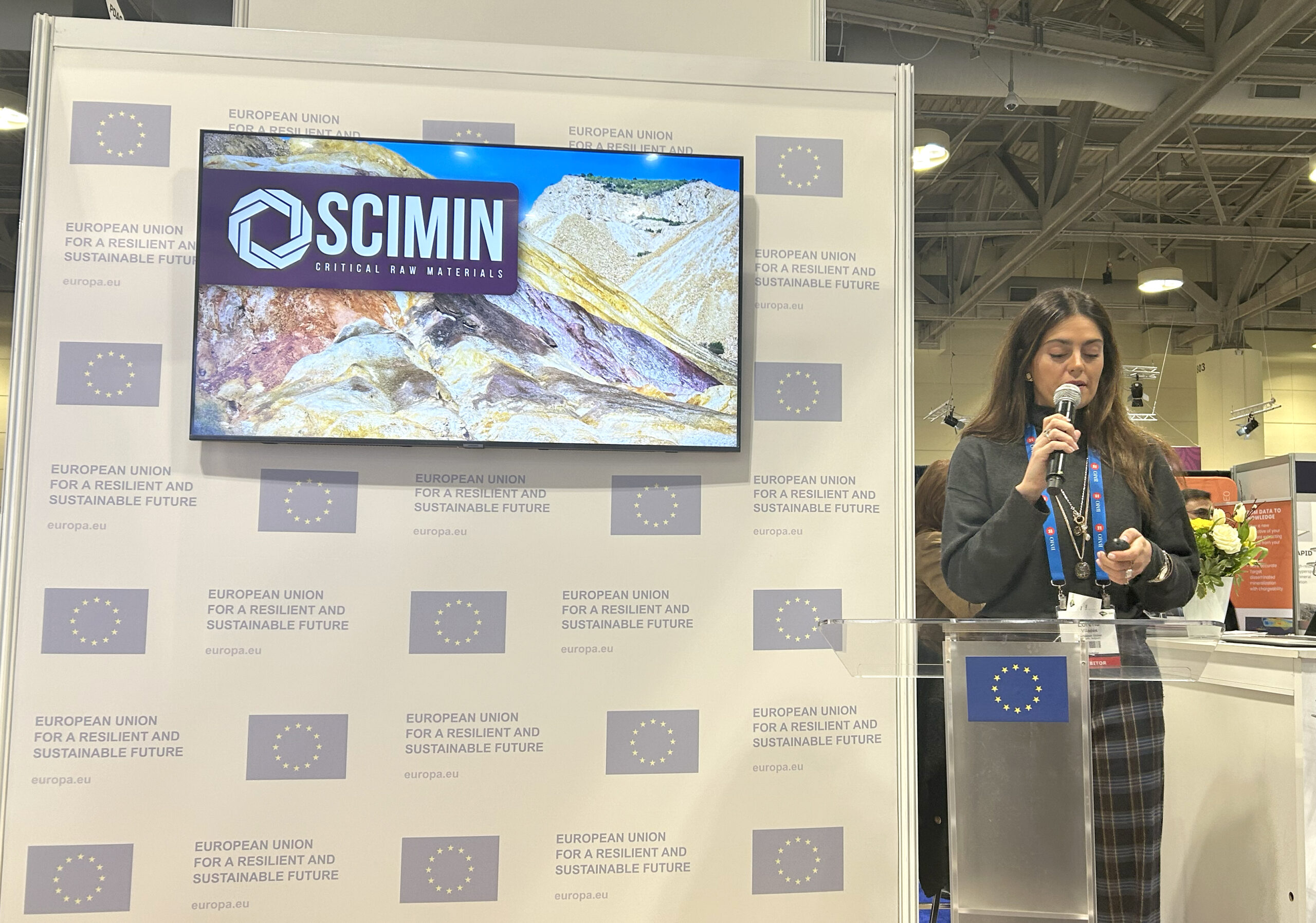
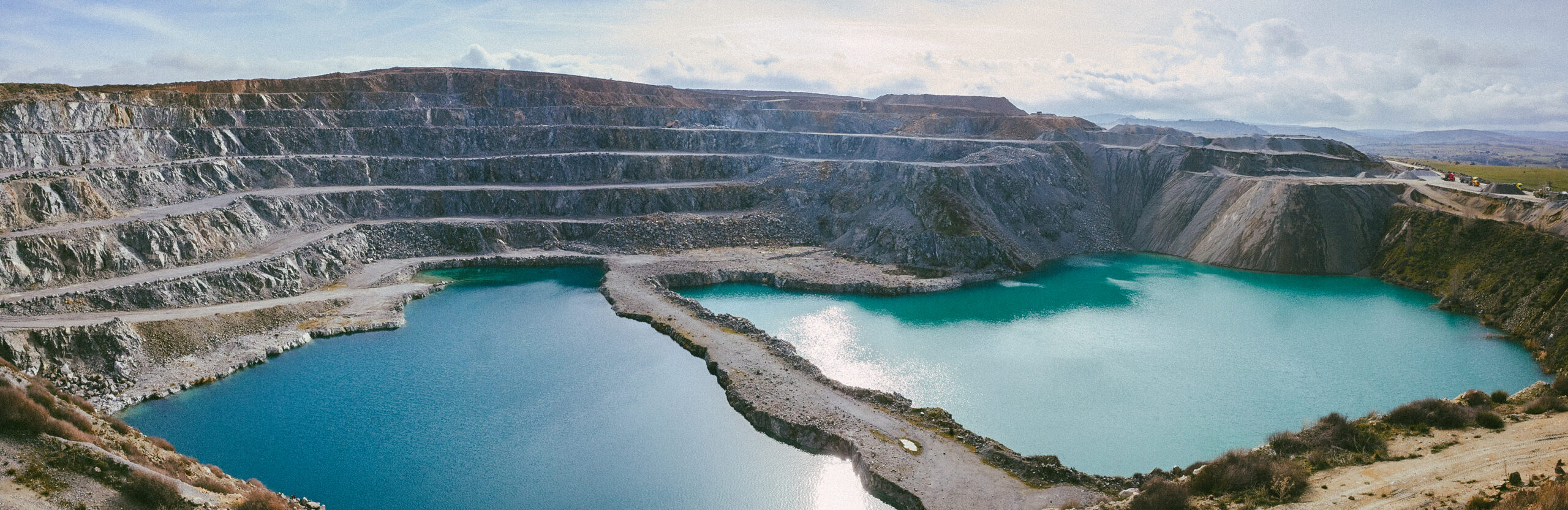
In this regard, the role of innovation programs and all technicians, companies, and scientists collaborating within, for example, Horizon programs, is essential. ANEFA, a member of the Spanish Federation of Aggregates (Federación de Áridos de España), leads three projects focused on digitalization, energy efficiency, valorization, and restoration of mining areas. These projects are: : DigiEcoQuarry, Rotate y SCIMIN-CRM. Additionally, the Queen project, involving the Gremi d’Àrids de Catalunya (also part of the Federación de Áridos), aims to develop a new environmentally friendly process for metallurgical-grade silicon (MG-Si) derived from quarry sands.
All these initiatives help the EU to map and understand the origins of critical raw materials, assess risks associated with their supply chains, estimate future demand, calculate environmental footprints, and promote recycling, thus facilitating various pathways toward strategic autonomy. The work of the Joint European Research Center has also contributed significantly to the EU Critical Raw Materials Act, making it viable and robust while providing an essential foundation for policy interventions.