Mining waste, once seen as useless residue, is now emerging as a strategic resource. A new study published in Science and a European Commission–backed initiative both highlight how recovering valuable by-products from mines could reshape global supply chains of critical raw materials.
Researchers led by Elizabeth Holley (National Science Foundation) analyzed geochemical data from U.S. metal mines. They found that even recovering as little as 1% of mining by-products could reduce dependence on imports of minerals such as cobalt, nickel, lithium, tellurium, and germanium. With recovery rates of around 90%, U.S. mines could nearly meet the country’s entire demand for these critical raw materials.
The economic case is equally striking in some mines; recovering less than 10% of by-products would generate greater revenue than the main metals currently being extracted. The study highlights the opportunity for the U.S. to enhance supply security and mitigate exposure to global market volatility.
SCIMIN-CRM to recover value from waste
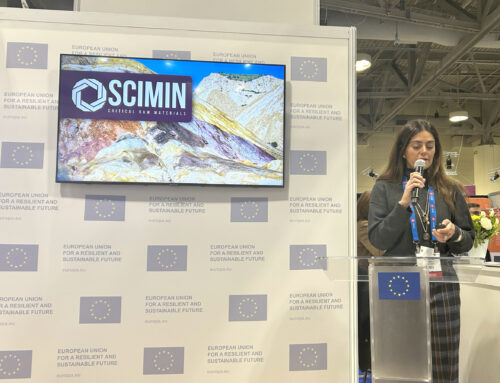
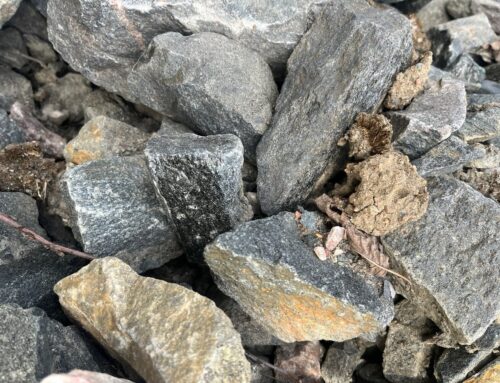
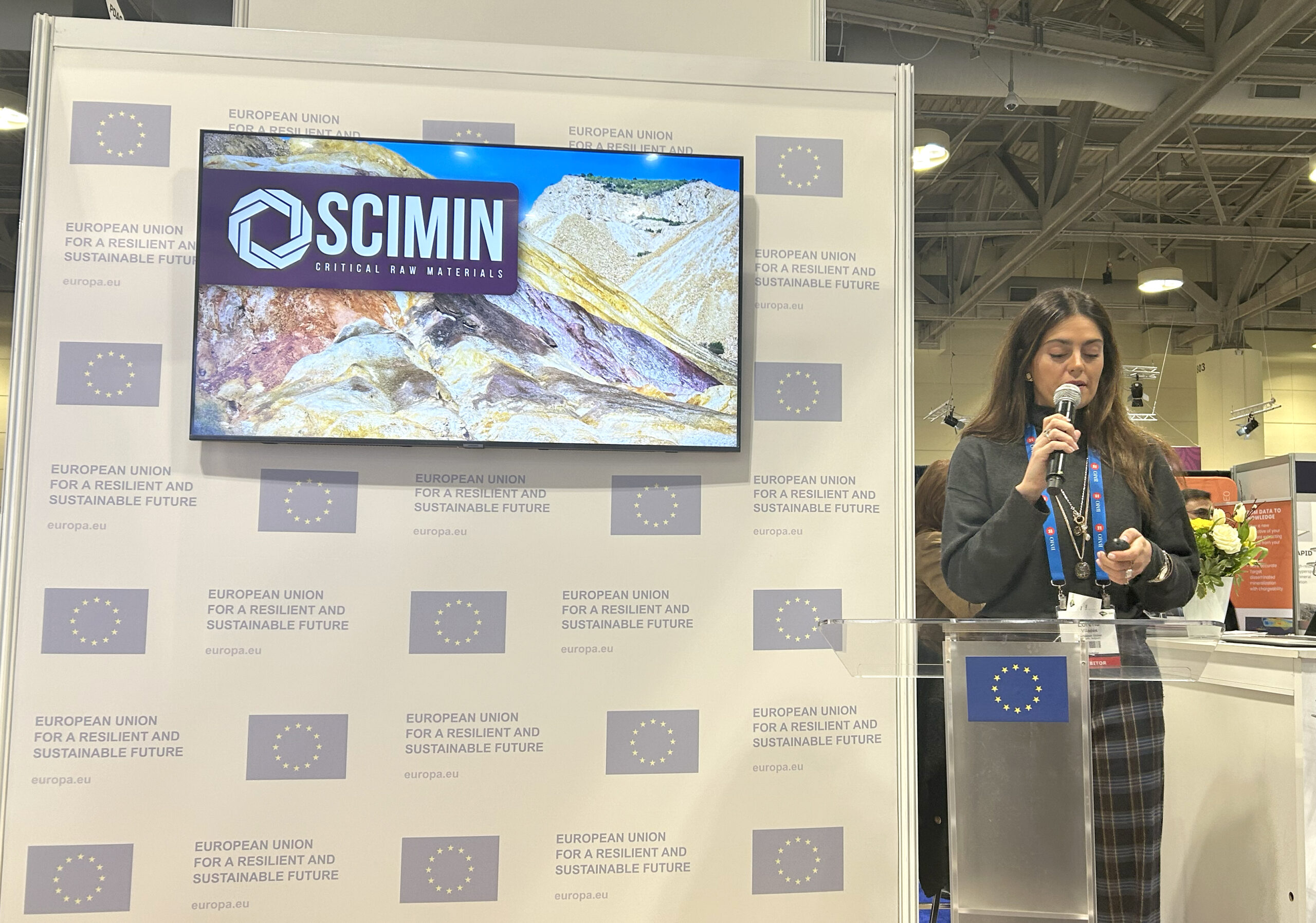
In parallel, Europe is advancing its own solution through SCIMIN-CRM (Sustainable & Circular Production of Mineral Critical Raw Materials), a project finance by the European Commission under the Horizon Europe program. Coordinated by ANEFA and involving 21 partners across 10 countries, the initiative focuses on recovering minerals from tailings and abandoned mining waste deposits.
SCIMIN-CRM aims to raise the usable material yield from nearly zero to around 5%, while cutting evaluation times by up to 80%. Pilot sites are in Spain, Sweden, Austria, and Bosnia-Herzegovina, where innovative mobile technologies and new processing methods are being tested. By 2030, the project hopes to establish a European standard aligned with the recently adopted Critical Raw Materials Act.

Converging strategies
Both the U.S. and European approaches highlight the same idea: mining waste is a hidden resource that can reduce import dependence, boost revenues, and support the energy transition.
With global demand for critical minerals soaring—driven by electric vehicles, renewable energy, and digital technologies—the recovery of by-products and waste is rapidly becoming a strategic priority.