Across the Iberian Pyrite Belt in southwestern Spain—one of the world’s greatest massive sulfide regions—centuries of mining have left behind mountains of waste whose true size was, until now, more guesswork than fact. In their study, published in Waste Management Bulletin (Volume 3, Issue 4, December 2025), Juan Antonio Ramírez-Pérez (Department of Integrated Sciences, Center for Natural Resources, Health and Environment – RENSMA, University of Huelva, Spain); Felipe Jesús González (Department of Earth Sciences, University of Huelva, Spain); Manuel Jesús Gázquez-González (Department of Applied physics, Marine Research Institute – INMAR, University of Cádiz, Spain); Reinaldo Sáez (Department of Earth Sciences, University of Huelva, Spain), and Juan Pedro Bolívar (Department of Integrated Sciences, Center for Natural Resources, Health and Environment, University of Huelva, Spain) set out to change that by flying drones over twelve abandoned mining sites and turning thousands of images into detailed 3D terrain models.
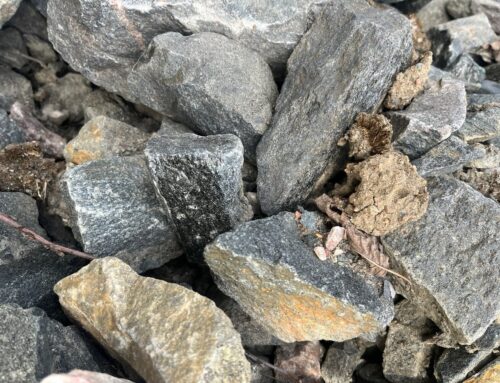
The result is the first solid volumetric inventory of these historical stockpiles: around 23.3 million tonnes of waste, or roughly 17.7 million cubic metres, spread across the district. But the work goes beyond “how much is there.” By combining the drone survey with chemical and radiological analyses, the authors of the study show that these piles are not just environmental legacies—they are also potential resource banks. Iron stands out in particular, amounting to about 3.5 million tonnes in total, alongside significant sulphur and silica, and relevant concentrations of zinc, lead, copper, and arsenic. The researchers also identify close to 990 tonnes of rare earth elements, with one stockpile alone holding about 40% of that reserve, pointing to clear hotspots for future recovery.
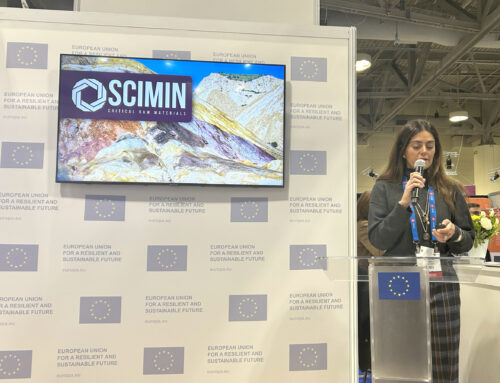
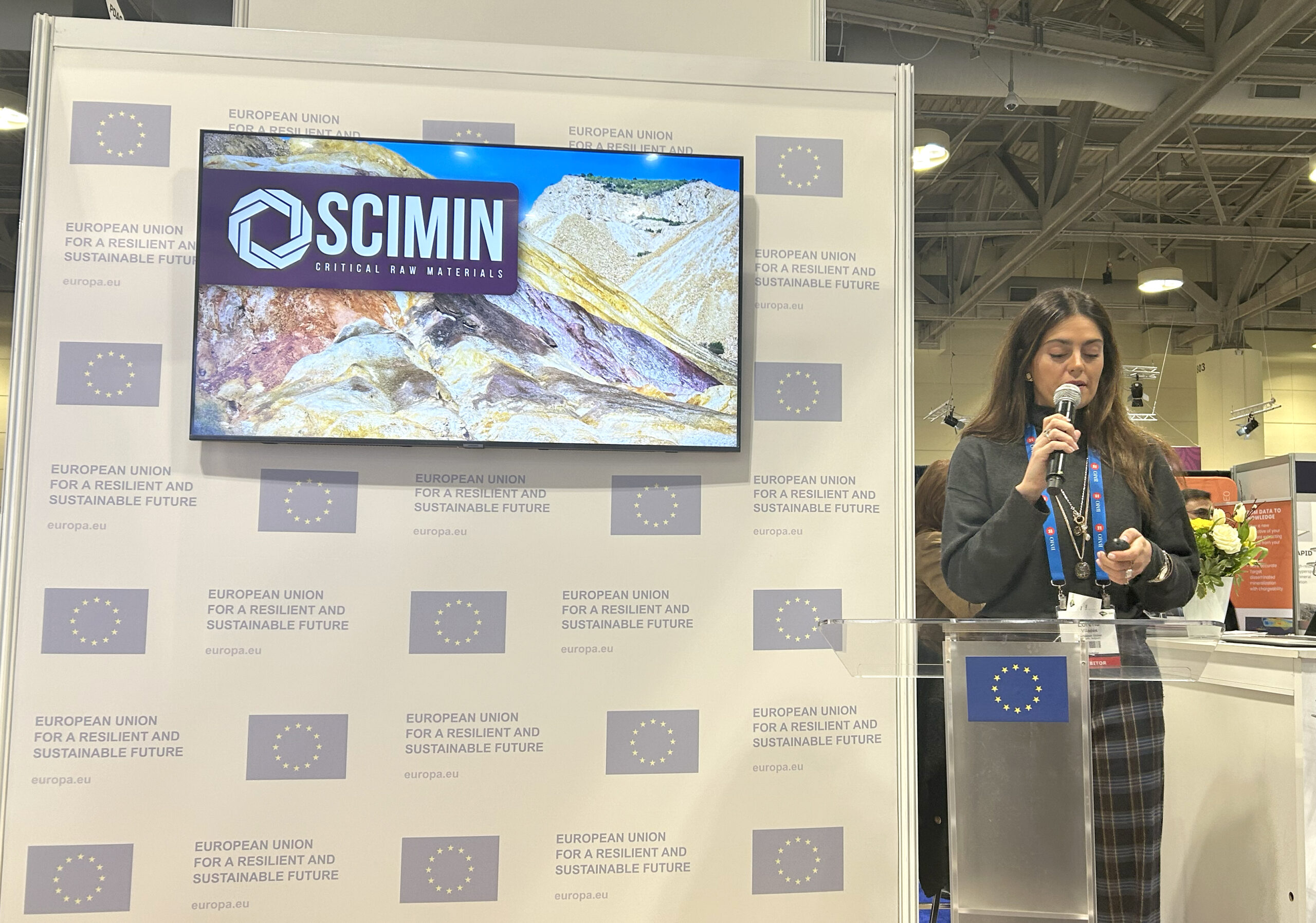
The SCIMIN-CRM project, funded by the European Commission and led by ANEFA, aims specifically to increase the potential for using mining materials that were discarded years ago and to rehabilitate areas where, before the introduction of today’s technologies and measures, mining activity took place.
SCIMIN-CRM therefore focuses on the characterisation, valorisation, recovery, processing, and use of mining stockpiles that were not assessed at the time, with the goal of turning them into recoverable resources. Thanks to this project, the proportion of usable material could rise from around 0% to 5%, while cutting analysis and evaluation time by 80%. The project’s approach seeks to maximise the transferability of its results so that they can be applied in virtually any setting by any stakeholder.
What makes the study especially timely is its practical angle. The authors argue that having precise numbers on volume and metal content is the starting point for turning old waste into new opportunities. Their results suggest that selective metal recovery—iron, zinc, lead, and rare earths—could be paired with safer reuse of some residues as construction materials, easing the pressure on virgin raw materials. And for nearby communities, there is an added reassurance: natural radioactivity in the wastes sits at levels comparable to ordinary soils, meaning radiological risk is minimal. In short, the authors invite a shift in perspective: these abandoned piles can be approached not only as scars from the past, but as manageable—and potentially valuable—assets within a circular economy, provided future feasibility studies confirm the best routes for recovery and remediation.