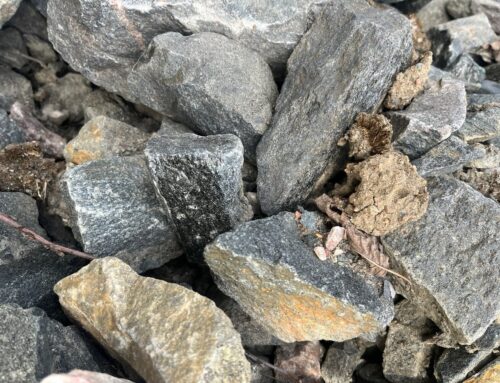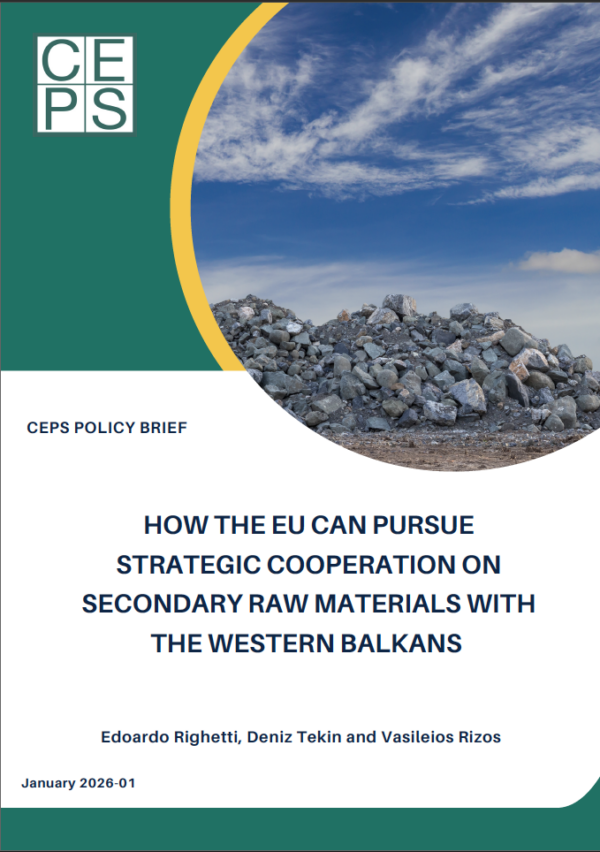
A recent policy brief published by the Centre for European Policy Studies (CEPS), authored by Edoardo Righetti, Deniz Tekin, and Vasileios Rizos, analyses how the European Union can strengthen strategic cooperation with the Western Balkans on secondary raw materials at a time of growing demand for critical raw materials (CRMs), increasing geopolitical uncertainty and mounting pressure on global supply chains. The analysis highlights the significant potential of recovering CRMs from extractive waste and legacy mining and industrial sites across the region, which contain substantial quantities of valuable materials such as copper, zinc, lead, antimony, and selected rare earth elements.
According to the authors, tapping into these secondary resources could play a key role in enhancing the EU’s supply security and strategic autonomy, while simultaneously supporting environmental remediation, circular economy objectives, and green industrial development in the Western Balkans. The policy brief also identifies major barriers to unlocking this potential, including fragmented and outdated geological data, limited standardization of resource assessments, regulatory complexity, investment risks, and low levels of public trust. To address these challenges, it calls for closer EU–Western Balkans cooperation focused on three priority areas: improving geological data and resource mapping, strengthening innovation and skills development, and advancing regulatory alignment and targeted investment support.
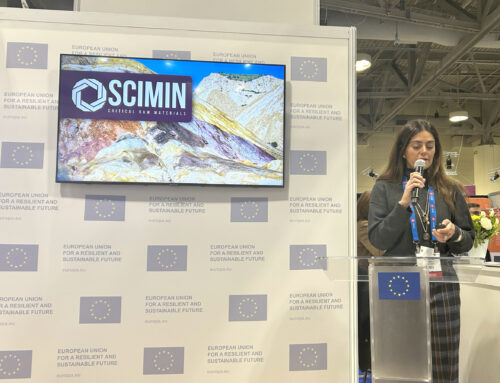
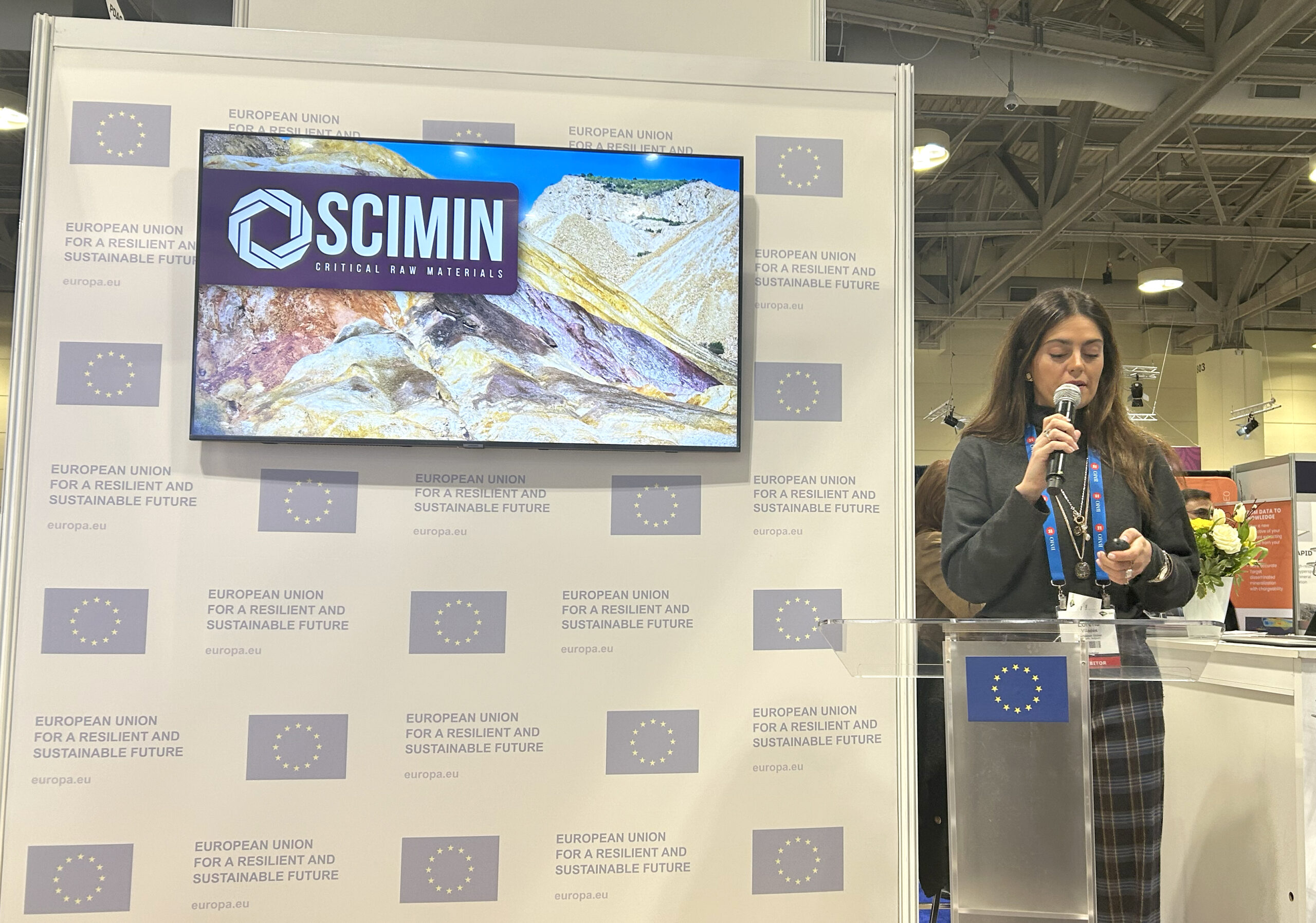
In this context, the European project SCIMIN-CRM (Sustainable & Circular Production of Mineral Critical Raw Materials) is closely aligned with the policy directions outlined in the CEPS analysis. SCIMIN-CRM aims to strengthen strategic intelligence on critical raw materials by improving data availability, integration, and comparability, developing foresight and decision-support tools, and supporting coordinated policymaking across CRM value chains. These objectives directly support the policy brief’s emphasis on the need for better geological data, harmonized resource assessments, and evidence-based decision-making to unlock secondary raw material potential. By addressing information gaps and enhancing analytical capacity, SCIMIN-CRM can help translate high-level policy recommendations into concrete, data-driven cooperation initiatives, including those involving partner regions such as the Western Balkans. In doing so, the project contributes to building the knowledge base required to design, prioritize, and monitor sustainable CRM strategies at the European level.
The policy brief was developed by the Centre for European Policy Studies (CEPS), an independent think tank based in Brussels that specializes in European Union policies. CEPS is widely recognized for its research on energy, climate, industrial transformation, and strategic autonomy, and regularly provides policy-oriented analysis to support EU institutions and stakeholders.