World Energy Efficiency Day, celebrated every March 5th under the slogan Energy, Efficiency First, reminds us of the importance of optimizing energy use to reduce environmental impact. This is key in the transition towards more efficient and environmentally responsible processes.
Three innovative European Commission-funded projects, coordinated by ANEFA and funded by the European Commission, are making a difference in this field:
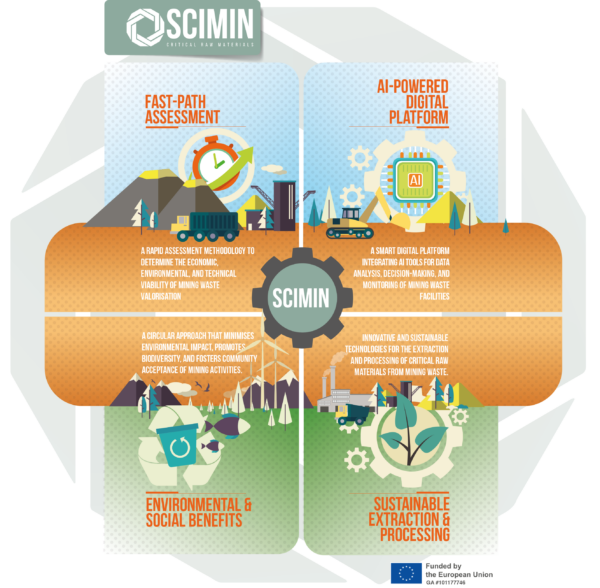
The SCIMIN-CRM project will introduce a new Life Cycle Assessment model focused on improving carbon footprint and energy efficiency in material production. Its approach allows for the evaluation and optimization of the environmental impact of industrial processes, contributing to a significant reduction in energy consumption and CO₂ emissions.
Meanwhile, Rotate is developing a more efficient mobile crushing technology, minimizing energy consumption, noise, and dust in the material transformation process. This innovation enhances the sustainability of the sector by optimizing resource use and reducing pollution associated with crushing operations.

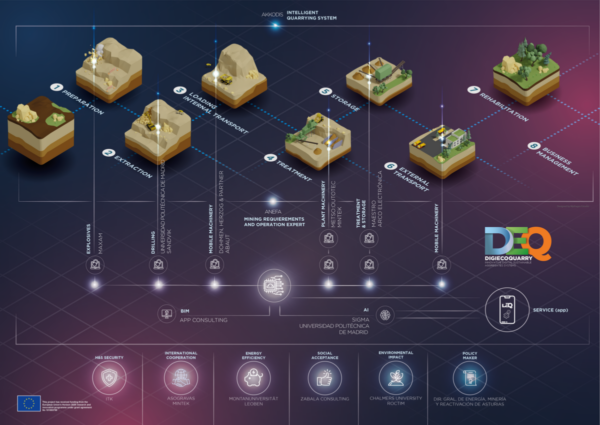
DigiEcoQuarry, improves selectivity and efficiency of the aggregates extractive sites, thus increasing the profitability of the quarrying processes, ensuring long-term operational sustainability and viability.
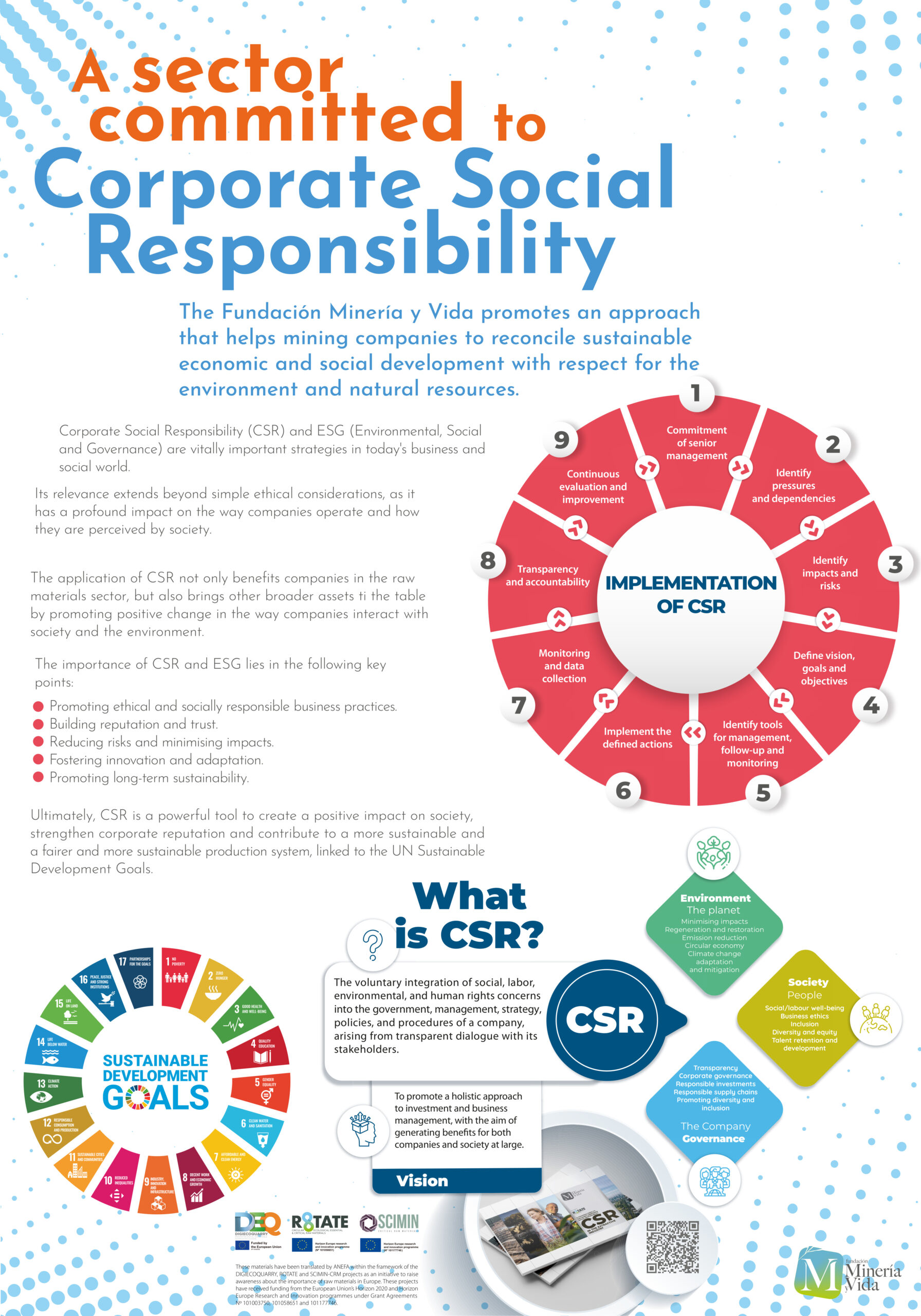
Both projects represent crucial advances towards a more sustainable industry, demonstrating that technological innovation and responsible resource management can reduce environmental impact without compromising productivity. Moreover, they align with the Sustainable Development Goals (SDGs), particularly Goal 7: Affordable and Clean Energy, which aims to ensure access to affordable, reliable, sustainable, and modern energy. One of its key targets by 2030 is to double the global rate of improvement in energy efficiency.